Best Plants to Grow During Winter in India: A Complete Gardening Guide
Winter is one of the best seasons to make your home garden colourful, fresh and productive. With pleasant temperatures in many parts of India, you can grow beautiful flowering plants, fresh vegetables, aromatic herbs and attractive ornamental plants in your garden, balcony or terrace.
Whether you are a beginner or an experienced gardener, choosing the right plants for the winter season can help you enjoy healthier growth and a more beautiful garden.
In this guide, Naturemart.in shares some of the best plants to grow during winter in India, along with essential sunlight, watering, soil and plant care tips.
Why Is Winter a Good Season for Gardening in India?
Winter provides favourable growing conditions for many cool-season flowers, vegetables and herbs. Compared with extreme summer heat, cooler weather can reduce heat stress for these plants and make gardening more comfortable.
Some benefits of winter gardening include:
Growing colourful seasonal flowers.
Harvesting fresh vegetables and herbs at home.
Making better use of balconies, terraces and small gardens.
Growing a wide variety of plants in pots and containers.
Enjoying gardening with relatively comfortable temperatures.
Best planting time: In many parts of India, October to February is suitable for winter gardening. However, the ideal planting time depends on your location, local temperatures and the plant variety.
1. Marigold
Marigold is one of the most popular winter flowering plants in India. Its bright yellow, orange and golden flowers add an attractive touch to balconies, gardens, terraces and outdoor spaces.
Marigolds are also a good choice for beginners because they generally require simple care.
Growing tips:
Sunlight: Around 5–6 hours of direct sunlight.
Watering: Water when the upper layer of soil begins to dry.
Soil: Fertile, well-draining soil.
Care: Remove faded flowers to encourage continued blooming.
Marigolds grow well in pots and garden beds. Choose a sunny location and avoid keeping the roots in waterlogged soil.
2. Petunia
Petunia is an excellent choice for gardeners who want colourful flowers throughout the winter season. Its trumpet-shaped blooms come in shades of pink, purple, red, white and several attractive combinations.
Petunias look especially beautiful in balcony planters, window boxes, hanging baskets and terrace gardens.
Growing tips:
Sunlight: Around 5–6 hours of sunlight.
Watering: Water when the top layer of soil starts drying.
Soil: Light, fertile and well-draining potting mix.
Care: Remove faded flowers and provide enough space for healthy growth.
Petunias generally perform best during cool weather. In very hot regions, they may need protection from excessive afternoon heat.
3. Calendula
Calendula is a beautiful seasonal flowering plant known for its cheerful yellow, orange and golden blooms. It is suitable for pots, garden borders and small home gardens.
This plant is an attractive option for people who want to add bright colours without complicated gardening routines.
Growing tips:
Sunlight: Around 4–6 hours of sunlight.
Watering: Keep the soil lightly moist without overwatering.
Soil: Well-draining soil enriched with mature compost.
Care: Remove old blooms and inspect leaves regularly for pests.
Calendula generally grows well in cool weather and can be grown from seeds.
4. Pansy
Pansies are popular winter flowers recognised by their distinctive, colourful petals. They are available in purple, yellow, white, blue and multicoloured varieties.
These plants are especially suitable for cooler regions and can brighten up small balconies, window boxes and garden borders.
Growing tips:
Sunlight: Full sun in cooler weather or partial shade in warmer locations.
Watering: Maintain even soil moisture without waterlogging.
Soil: Fertile, well-draining potting mix.
Care: Remove faded flowers and protect plants from extreme heat.
Pansies prefer cool conditions, so their performance may be limited in regions with warm winters.
5. Chrysanthemum
Chrysanthemum, commonly known as Guldaudi, is another favourite for winter gardens in India. It produces attractive flowers in a variety of colours, including yellow, white, pink, red and purple.
Chrysanthemums are suitable for decorative pots, balconies, terraces and garden beds.
Growing tips:
Sunlight: Around 4–6 hours of sunlight.
Watering: Water when the upper soil begins to dry.
Soil: Fertile, well-draining soil.
Care: Remove faded flowers and maintain good airflow around the plant.
Choose healthy nursery plants or suitable cuttings, depending on the variety, and avoid excessive watering during cool weather.
6. Rose
Roses are timeless flowering plants that can add beauty and fragrance to a home garden. In many parts of India, roses produce excellent blooms during the cooler months when they receive sufficient sunlight and proper care.
You can grow roses in pots, containers or garden beds.
Growing tips:
Sunlight: Ideally 5–6 hours or more of direct sunlight.
Watering: Water near the base when the soil begins to dry.
Soil: Fertile, well-draining soil rich in organic matter.
Care: Remove diseased leaves and faded flowers, and prune according to the variety and local growing season.
Grafted rose plants can be a good option for gardeners looking for selected flower colours and varieties. Always choose a suitable rose variety for your local climate.
7. Spinach (Palak)
Spinach is one of the easiest vegetables to grow during winter. It is suitable for kitchen gardens, pots, grow bags and terrace gardens.
Fresh spinach leaves can be harvested for everyday cooking, making this plant a useful choice for home gardeners.
Growing tips:
Sunlight: Around 4–6 hours of sunlight.
Watering: Keep the soil consistently moist but not waterlogged.
Soil: Loose, fertile soil enriched with mature compost.
Container: Use a container approximately 8–10 inches deep.
Sow spinach seeds directly into the soil and thin the seedlings as needed. Harvest the outer leaves carefully to encourage continued growth.
8. Fenugreek (Methi)
Fenugreek, commonly known as Methi, is a fast-growing leafy herb that is ideal for beginners. It can be grown in small containers, grow bags and balcony gardens.
Its fresh leaves are commonly used in Indian cooking.
Growing tips:
Sunlight: Around 4–6 hours of sunlight.
Watering: Keep the soil lightly moist during germination.
Soil: Loose, well-draining soil.
Care: Sow seeds evenly and avoid overcrowding.
Methi is a practical choice for gardeners who want to grow useful edible plants in a small space. Young leaves may be ready to harvest within a few weeks, depending on the growing conditions.
9. Coriander (Dhania)
Coriander is a useful herb for a home kitchen garden. Its fresh leaves add flavour to curries, salads, chutneys and many Indian dishes.
It can be grown in pots, planters and grow bags during suitable cool-season conditions.
Growing tips:
Sunlight: Around 4–5 hours of sunlight.
Watering: Water gently to avoid disturbing the seeds.
Soil: Loose and well-draining soil.
Care: Sow seeds at an appropriate spacing and harvest leaves gradually.
Coriander prefers cooler conditions for leafy growth. In warmer weather, plants may flower and produce seeds sooner.
10. Radish (Mooli)
Radish is a rewarding winter vegetable for home gardeners. Many varieties grow quickly and can be cultivated in garden beds or deep containers.
Fresh radishes can be used in salads, curries and other dishes.
Growing tips:
Sunlight: Around 4–6 hours or more of sunlight.
Watering: Maintain consistent soil moisture.
Soil: Loose, stone-free soil to support healthy root development.
Container: Choose a depth appropriate for the radish variety, often around 10–12 inches or more.
Sow radish seeds directly into the final container because transplanting can disturb root development. Harvest when the roots reach a suitable size for the selected variety.
11. Carrot (Gajar)
Carrots are a popular cool-season vegetable in many parts of India. They can be grown in home gardens and containers when the correct variety and growing conditions are selected.
Growing tips:
Sunlight: Around 5–6 hours of sunlight.
Watering: Keep soil moisture consistent.
Soil: Deep, loose and stone-free soil.
Container: Use a deep pot or grow bag suitable for the selected carrot variety.
Carrots need sufficient space for their roots to develop properly. Avoid compacted soil and excessive nitrogen fertilisation, which may encourage leafy growth at the expense of root development.
12. Green Peas (Matar)
Green peas are well suited to cool-season gardening in many Indian regions. Their fresh pods are useful for home cooking, and climbing varieties can make good use of vertical space.
Growing tips:
Sunlight: Around 5–6 hours of sunlight.
Watering: Maintain even soil moisture, especially during flowering and pod formation.
Soil: Fertile, well-draining soil.
Care: Provide support for climbing varieties.
Sow peas when local temperatures are suitable. Use a trellis or stakes if required by the variety, and allow adequate airflow between plants.
13. Lettuce
Lettuce is a useful leafy vegetable for home gardeners interested in salads and fresh greens. It grows well in cool conditions and can be cultivated in pots and shallow planters.
Growing tips:
Sunlight: Around 4–6 hours, with some protection from strong afternoon heat in warmer regions.
Watering: Keep the soil evenly moist.
Soil: Light, fertile and well-draining soil.
Care: Harvest outer leaves carefully or harvest the plant according to its variety.
Lettuce may struggle in hot weather, so choose the right season and variety for your region.
14. Jasmine
Jasmine is a popular ornamental plant valued for its fragrant flowers. Many jasmine varieties grow well in suitable Indian climates and can be kept in pots or planted in the garden.
Although not all jasmine varieties are winter-flowering plants, some can remain attractive throughout the cooler season when given suitable conditions.
Growing tips:
Sunlight: Bright sunlight, generally around 4–6 hours depending on the variety.
Watering: Water when the upper soil begins to dry.
Soil: Well-draining soil enriched with organic matter.
Care: Remove dead growth and avoid heavy pruning during unsuitable periods.
Select a jasmine variety that suits your local climate, and protect sensitive plants from severe cold.
15. Hibiscus
Hibiscus is a colourful flowering plant that can bring tropical beauty to Indian gardens. It is commonly grown in pots, balconies and outdoor garden spaces.
Many hibiscus varieties prefer warmth, so growth and flowering may slow during colder weather.
Growing tips:
Sunlight: Around 4–6 hours of sunlight where temperatures permit.
Watering: Water when the top layer of soil starts drying.
Soil: Fertile, well-draining soil.
Care: Protect from cold winds and avoid excessive watering during periods of slow growth.
In colder regions, place potted hibiscus plants in a sheltered, sunny location.
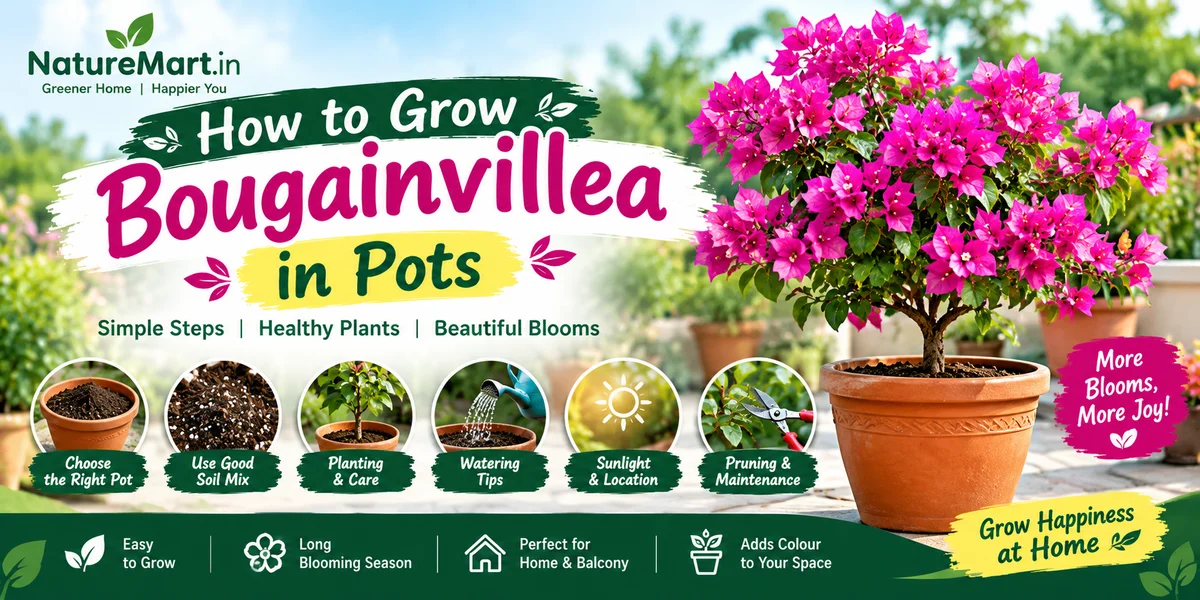
16. Bougainvillea
Bougainvillea is a popular ornamental plant known for its colourful bracts, which can appear pink, purple, red, orange, white and other shades depending on the variety.
It is well suited to sunny terraces, balconies, garden borders and outdoor spaces in many parts of India.
Growing tips:
Sunlight: Preferably 5–6 hours or more of direct sunlight.
Watering: Allow the soil to dry partially between watering.
Soil: Well-draining soil.
Care: Avoid overwatering and provide suitable support for climbing varieties.
Bougainvillea is generally better suited to mild or warm conditions than severe cold. Protect plants from frost and cold winds where necessary.
Best Winter Plants for Small Balconies
You do not need a large garden to enjoy winter gardening. Many plants can grow successfully in pots, planters and grow bags when provided with sufficient sunlight and proper drainage.
Here are some good choices for small spaces:
Marigold: Bright seasonal flowers.
Petunia: Colourful blooms for pots and hanging baskets.
Calendula: Cheerful flowers for containers.
Spinach: Useful leafy vegetables.
Methi: Easy-to-grow kitchen herb.
Coriander: Fresh leaves for everyday cooking.
Radish: A rewarding crop for suitably deep pots.
Rose: Attractive flowers in a sunny location.
Arrange plants according to their sunlight and space requirements. Keep taller plants from shading smaller ones, and ensure every container has drainage holes.
How to Care for Plants During Winter in India
Choosing suitable plants is only the first step. Proper care helps them grow healthily throughout the season.
1. Provide the Right Amount of Sunlight
Most winter flowering plants and vegetables need several hours of sunlight each day. Place sun-loving plants in a bright area of your balcony, terrace or garden.
However, the exact requirement varies by species. Shade-tolerant plants may need protection from intense direct sunlight in warmer regions.
2. Avoid Overwatering
Plants often use water more slowly when temperatures are lower. Watering too frequently can leave the soil wet for too long and increase the risk of root problems.
Check the soil before watering. If the upper layer is still moist, wait and check again later. Always use pots with adequate drainage holes.
3. Use Good-Quality Potting Soil
A suitable potting mix should retain enough moisture while allowing excess water to drain away.
For many container plants, a mix containing garden soil, cocopeat and mature compost can be useful. Adjust the proportions according to the plant's needs and make sure the final mixture does not become compacted or waterlogged.
4. Add Organic Compost Carefully
Mature compost and vermicompost can help improve soil structure and provide nutrients for plant growth.
Use them according to the plant's needs and the product instructions. Avoid adding excessive fertiliser, especially when plants are growing slowly or the soil is already nutrient-rich.
5. Protect Plants from Severe Cold
Some plants tolerate cool weather, while tropical and cold-sensitive plants may suffer when temperatures fall sharply.
During cold spells:
Move sensitive potted plants to a sheltered area.
Protect plants from cold winds and frost.
Avoid leaving young seedlings exposed to severe overnight cold.
Check soil moisture before watering during colder periods.
6. Inspect Plants for Pests and Diseases
Check leaves, stems and the soil surface regularly for signs of pests, fungal growth or unusual leaf damage.
Remove badly damaged leaves where appropriate, provide good airflow and avoid keeping foliage unnecessarily wet. Use a suitable plant treatment only when needed and follow the label directions.
Common Winter Gardening Mistakes to Avoid
Even easy-to-grow plants can struggle when their basic needs are overlooked.
Avoid these common mistakes:
Overwatering: Cold, wet soil can damage roots.
Insufficient sunlight: Flowering plants may produce fewer blooms.
Poor drainage: Waterlogged containers can cause root problems.
Overcrowding: Plants compete for light, nutrients and space.
Excessive fertiliser: Too much fertiliser may damage roots or encourage unbalanced growth.
Ignoring local weather: Winter conditions vary significantly across India.
Choosing unsuitable plants: A plant that thrives in North Indian winters may struggle in a warmer coastal region.
Frequently Asked Questions About Winter Gardening in India
Which plants grow best during winter in India?
Marigold, petunia, calendula, pansy, chrysanthemum, spinach, methi, coriander, radish, carrots and green peas are popular winter gardening choices. The best selection depends on your region and local temperatures.
Which flowers can I grow in winter at home?
Marigold, petunia, calendula, pansy and chrysanthemum are good options for many Indian winter gardens. Roses can also perform well in suitable conditions.
Which vegetables are easiest to grow in winter?
Methi, spinach, coriander and radish are practical options for beginners. They can be grown in containers when the correct soil, sunlight and watering conditions are provided.
Can I grow winter plants in pots?
Yes. Many flowers, vegetables and herbs grow well in pots and grow bags. Select the right container size, use well-draining soil and make sure the plants receive enough sunlight.
When should I start planting winter flowers in India?
Many seasonal flowers are started in autumn so that they can establish and bloom during winter. The ideal timing varies by region and flower variety, so check local seasonal conditions before sowing.
How often should I water plants in winter?
There is no single watering schedule for every plant. Check soil moisture, container size, sunlight and local weather before watering. Water only when needed and avoid leaving the roots in standing water.
Which organic fertiliser is suitable for winter plants?
Mature compost and vermicompost can be useful for many garden plants. The correct amount depends on the plant species, soil condition and product instructions.
Conclusion
Winter is a wonderful opportunity to grow colourful flowers, fresh vegetables and useful herbs at home. From marigold, petunia and chrysanthemum to spinach, methi, coriander and radish, there are many options for gardens of every size.
For the best results, choose plants suited to your local climate, provide appropriate sunlight, use well-draining soil and adjust watering as temperatures change.
At Naturemart.in, you can explore plants, seeds and gardening essentials to help you create a greener home. Choose your favourite plants and start planning your winter garden today.
Explore Naturemart.in for plants and gardening essentials, and bring more greenery into your home.